
What Is Oracy in the Classroom?
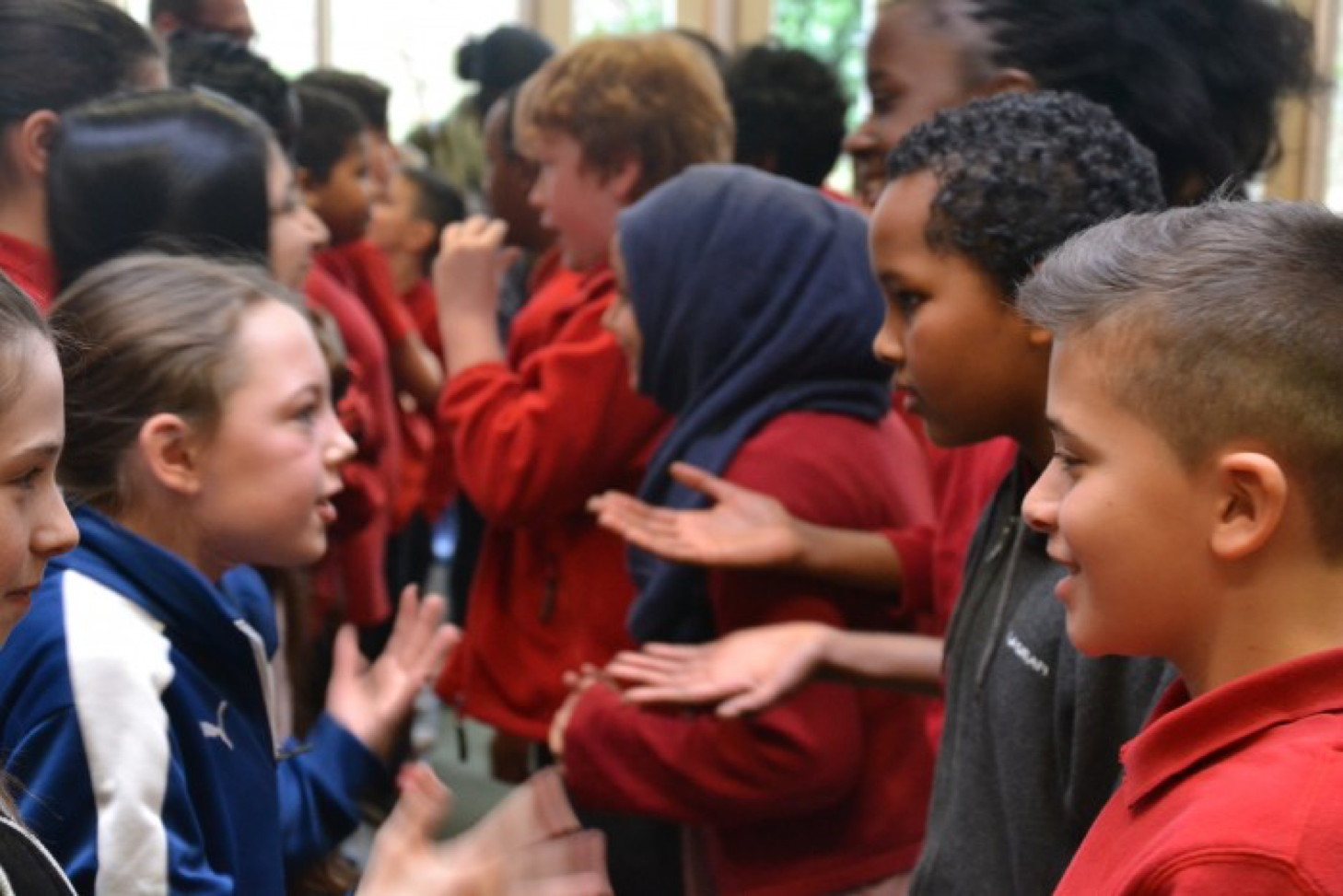
Oracy in the classroom is the ability of children to talk about what they are learning. This will range from recalling of knowledge, to applying it in new ways, to expressing their opinion and engaging in debate.
There are many different ways to introduce more opportunities for oracy, such as talk partners, structured group work, classroom enquiries (similar to what you'd find in P4C), debating, peer-feedback and more.
How does this differ from talking more? The best oracy strategies will lead to purposeful, intentional talk about that deepens understanding. For example, one of our favourite strategies is using "Co-coaching Questions" for talk partners to push each other's thinking. So instead of just exchanging one-line (or sometimes even one word!) answers, they're coaching each other through gentle, provoking questions, such as:
- Why do you say that?
- Can you explain what you mean?
- Why is that important?
- What would someone who disagreed with you say?
Teachers can also use this strategy to follow up a question to help a student talk in sentences, rather than just in short phrases.

Why is oracy in the classroom important?
The ability to speak, and speak well, has been valued since Ancient Greek times, but now the evidence for oracy is in. The Education Endowment Foundation, one of the most prestigious bodies in its field, has determined that oracy, or oral language interventions deliver “Very high impact for very low cost based on extensive evidence.” According to the EEF, on average, oral language approaches have a high impact on pupil outcomes of 6 months’ additional progress. They placed it third on their "league table" of interventions.
if a child can talk about a topic, they’re much more likely to understand it, and be able to apply their knowledge in everything from examinations to real world situations.
Importantly, these principles aren’t just for reluctant speakers. As with much inclusive practice, what’s good for the children you especially have in mind is good for the whole class – even your most confident speakers, who will enjoy the extra chances
to talk.
“I wish you’d come to my school when I was a child. I was the one who hid behind my hair at the back of the class and hoped nobody asked me to speak.” I still remember the passion a teaching assistant showed in these words after a training session, ten years ago or more. None of her teachers had helped her find her voice. It was only well into adulthood that, fed up of being sidelined, she did so herself by sheer willpower. A teacher at a recent open evening had said her son was, “No trouble, you’d hardly know he’s there.” You can imagine how that went down.
What does oracy look like in the classroom?
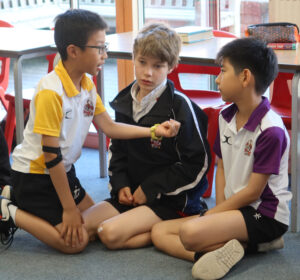
Oracy can take many forms in the classroom. Below, we've listed some of the most common examples of oracy in the classroom, and below that, we've compiled some of our favourite oracy resources and activities to help you get them going in your classroom.
Observable oracy behaviours:
- Using sentence stems to articulate their ideas
- Building on each other's ideas by adding examples, evidence or explanation
- Respectfully disagreeing with an idea or opinion
- Giving examples of a category or concept
- Asking each other questions
- Ordering or ranking things on a spectrum
- Using prior knowledge to build an argument
- Directly responding to each other, for example using the "You said.... but I think..." stem
How does this differ from normal conversation?
This contrasts with "busy talk" or "general chit-chat" because excellent oracy opportunities are generally one or more of the following:
- deliberative - require back and forth over an issue to come to a conclusion
- challenging - tackling juicy, contestable questions where there is no consensus
- exploratory - involve being open to new ideas and solutions
- collaborative - working together to make progress
- intentional - either planned into a lesson, or if a teacher is skillful, dropped into an activity to add extra stretch


Practical Oracy Strategies for the Classroom
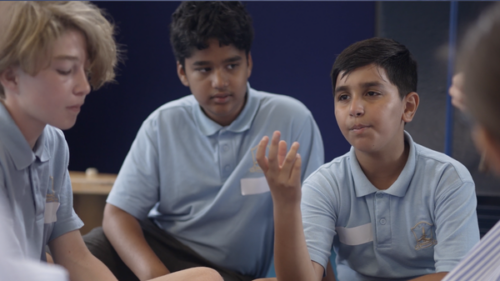
Hundreds of schools trust us to help improve listening, develop independent thinking and help every child find their voice. All by showing teachers easier, more effective ways to work with their existing curriculum, not piling more on their plate. Here are two of our favourite oracy strategies to help unlock everyone's voice:
Small Talk Before Big Talk
When did you last have a meeting where the very first thing you spoke about was the subject of the meeting? Unless you are getting fired or firing someone, it almost never happens. A meeting without preliminary small talk lacks the human touch.
Yet when we get children to work in groups, we don’t usually leave any space for that small talk to take place. We assume that they are primed and ready to talk about whatever we want them to talk about.
But often, the small talk either intrudes anyway, or doesn’t happen and therefore the “Big Talk” is from a cold start and feels stilted. A good rule to follow when you want effective dialogue in the classroom is to get the children talking about a less important question before you get them talking about the main topic. It relaxes them, makes sure everyone is engaged, and breaks the ice for more serious talk that follows. Here's an example:
In pairs: Could a robot replace a pet?
In fours: Could a robot replace a teacher?
In eights: Could a robot replace a friend?
You'll notice that no one here is talking to thirty people at once. Everyone has a tipping point where one extra person shifts a group from “we are chatting” to “they are my audience”. Fewer pupils will close down if, especially at the start of sessions, you use not just pairs but small groups of gradually increasing size. Don’t feel every session must build to whole-class talk.
Talk Three Times
This is the simplest of all the principles in the book. Instead of getting them to talk about three different questions, get them to talk about the same question three times.
This principle is especially important if you have a class with EAL learners. If possible, their first talk can be with someone who shares their first language.
The first time they’re exploring, getting their first thoughts together.
The second time they’re elaborating them.
The third time, they’re finding the best way to express them.
It could be as questioner, as answerer, and then in a group often with a “talking object”.
It could be in pairs, then whole class discussion to share some ideas and provocations, then back into pairs.
You can learn more about our framework here.
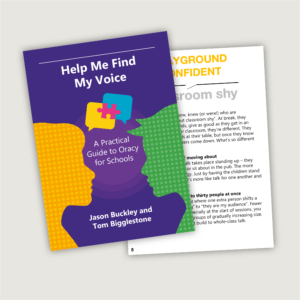
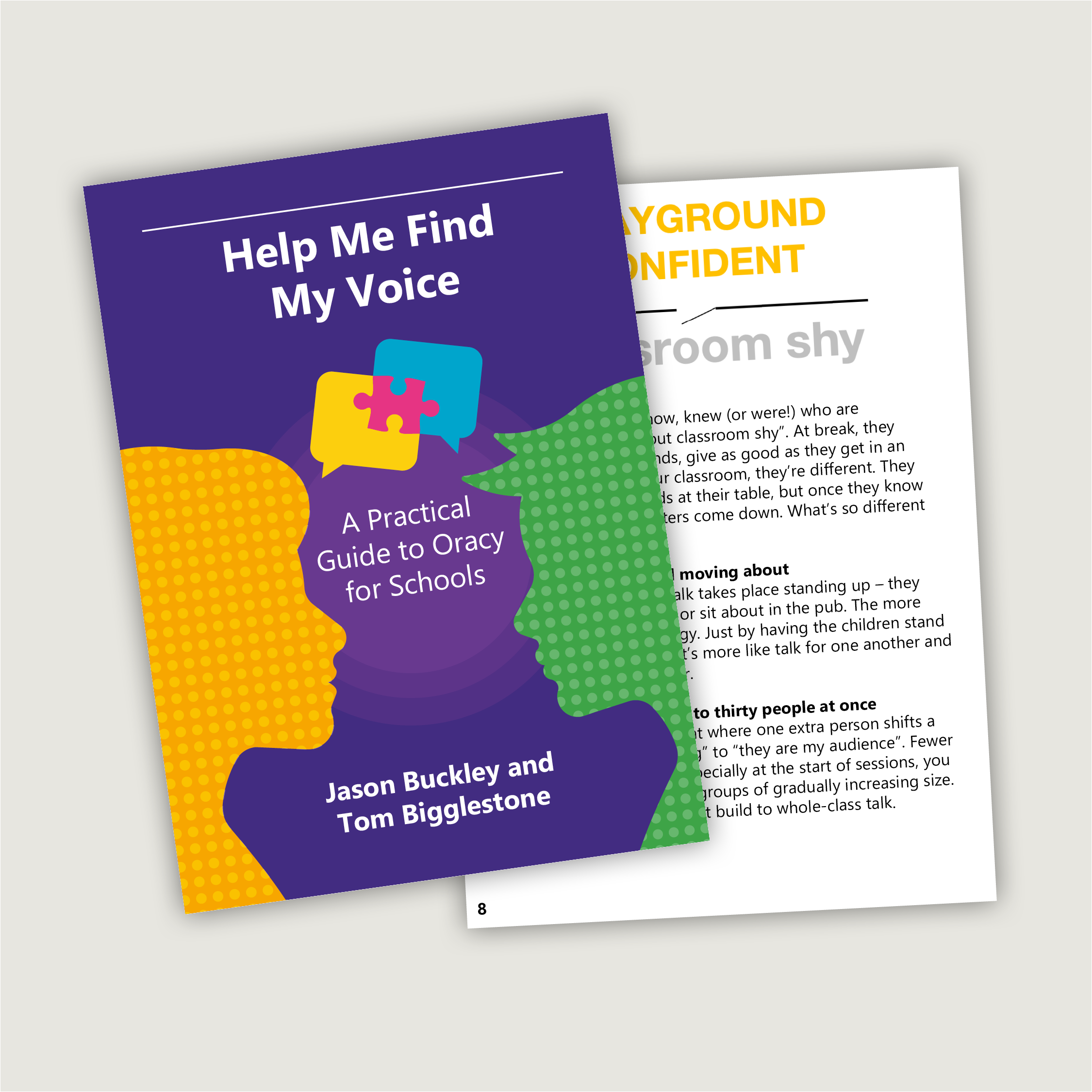
Each principle of the toolkit is explained in our simple minibook "Help Me Find My Voice", which is available now in our shop
Our latest book: Help Me Find My Voice
This practical A6 guide to oracy explores why kids don’t talk in class – from kids who are “playground confident, classroom shy” to those who need to be someone else before they can be themselves. It’s fifteen years of experience of getting kids talking, boiled down to twelve principles you can use in every setting.
We hope this book arms you with the strategies you need to make one of the biggest differences you can – helping a child find their voice.
Oracy activities and games
We've got a special page full of oracy activities for you to try.
Oracy across different subjects
Contrary to popular belief, oracy is not just for English! Below, find some different ways to embed oracy across the curriculum:
Maths
Explain to a partner what the problem is
Ask for (re)explanation if you don’t understand
Say if you think someone else’s solution is wrong
Say how you came to your answer and look for differences with someone else's method
History
Proposing one or more theories to account for what happened
Giving examples of characters or events to support your argument
Sequencing causes from most influential to least
Ordering consequences from smallest to biggest
PE
Summarising what has been done or learnt
Reasoning about tactics, or ways of doing something
Coaching someone else through a sequence of steps or moves
For more oracy resources, sign up to our free weekly bulletin below.
Common Misunderstandings About Oracy in the Classroom
"Oracy just means letting pupils chat"
There’s a worry that oracy is just letting pupils chat. But a good oracy programme elevates the status of talk for both teachers and students – it becomes a businesslike part of the lesson, with structure, purpose and high expectations.
Confident talkers don't need more oracy work
There’s also a misperception that you need loads of extra time. Maybe this comes from spending too long in whole class discussions, where only one child’s voice is active at a time. But our structures for focused, highly-engaged paired work make for a very efficient use of time. You can often “get back” the minutes you give to a well-chosen oracy activity through students’ resulting buy-in and preparedness for the rest of the lesson.
Some students are just quiet
“He’s just quiet. Some children are.” But would a child be right to think every teacher is the same person with colleagues, friends and family outside of school as they are in the classroom. Who has a behaviour chart for their partner and moves them down to yellow when they fall short? The child we see at school is… the child when they’re at school. Not the whole child; and they may have other, more talk-confident versions of themselves that they could bring to the classroom if the conditions are right.
You need loads of extra time
“Her oracy’s fine. She could talk the birds from the trees.” When some children find it a challenge to contribute to whole class talk at all, it’s easy to forget that your most confident speakers deserve comparable challenges of their own –otherwise, what learning are they getting out of that part of their education? There are easy ways to make it more difficult, and give those students opportunities for growth.
How we can help embed oracy in your classroom
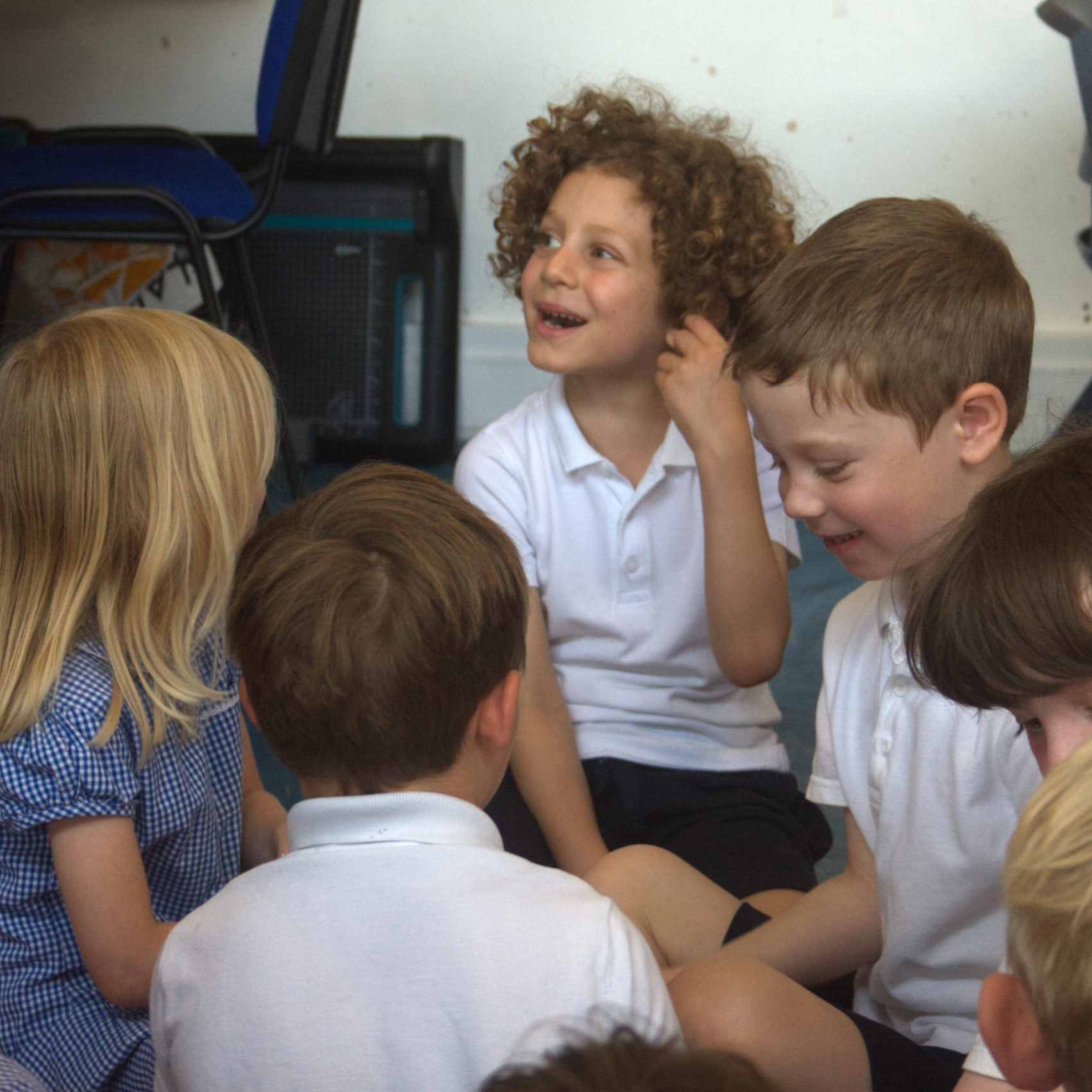
Training and Workshops
We work week-in, week-out with pupils and staff. Find out more about how we can collaborate with your school.
Visit our shop
As well as our free resources, we also write and sell books, and oracy packs to foster your long-term oracy success.

Get more resources
Read our posts full of teacher tips and topical ideas
Interested in training?
Contact us today to arrange a chat - choose from any of the options below.
Feedback from recent training. Can you spot the buzzword?
"I cannot describe the buzz and vibe from the staff, all down to you."
"You really did create a huge buzz in school, which is a difficult shout on the first day back! You covered everything we wanted out of the training and gave us mountains of material to use in class. I loved the fact you gave each phase some planning time to discuss ideas and plan sessions and then trial them out of colleagues. You have definitely given us some inspiration and I am very excited to see what happens next."
"There was a buzz during the staff meeting, which for any member of staff attending a staff meeting knows this is a rare thing! All the staff said how enthused and excited they felt to get back into their classrooms and try out the methods they had been shown."
"The questions raised interested everyone and there was a real buzz in the room. Our training was full of practical activities and games, with the just the right amount of discussion about teaching techniques interspersed. What an inspiring day!"
"It is us who would like to thank you. It was such an inspirational INSET and the staff were truly excited. The enthusiasm and buzz is palpable!"